Title

Farm-level outcomes

GHG emissions are minimized
Carbon is sequestered and stored
Air pollution from agricultural operations is minimized

Habitats are healthy, diverse, and connected, with rich genetic diversity across terrestrial and aquatic species, wild and cultivated
Ecological integrity, processes, and functions are supported

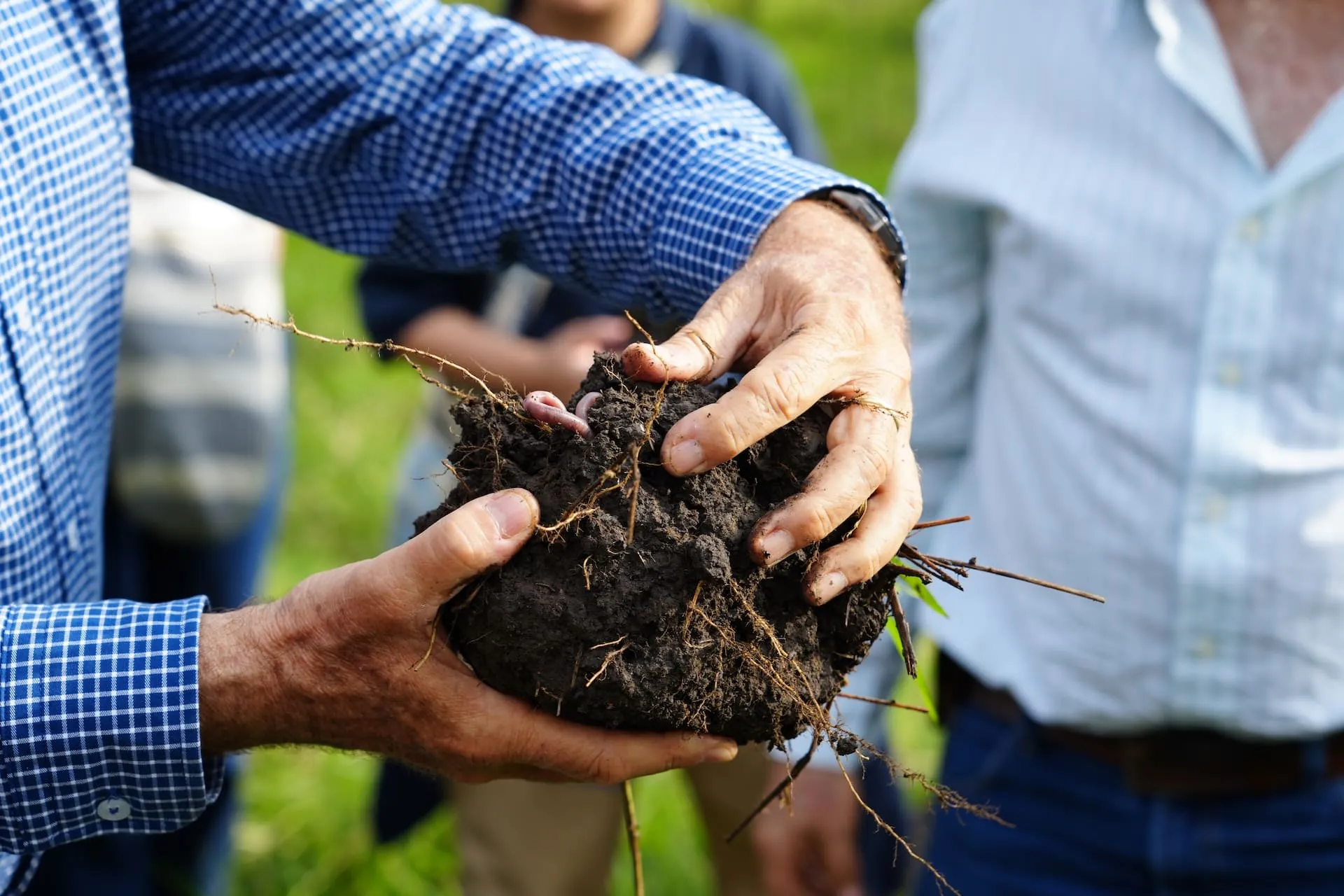
Soils are healthy with minimal erosion and degradation

Water use is efficient and within local water availability limits
Water pollution is minimized

Livestock are healthy with welfare ensured
Livestock products are high-quality, nutritious, and with minimal losses

Crops and pastures are healthy and resilient to abiotic and biotic stresses
Crop and pasture products are high-quality, nutritious, diverse, and with minimal losses

Relationships between farmers and local communities are strong and mutually supportive

Farmers and workers are economically secure and work in safe, fair, and decent conditions
Farmers and workers are skilled and thrive through lifelong learning

Decisions are guided by long-term, adaptive planning for resilience and food security
Decision-making is inclusive, respects rights, local knowledge, and traditions
Farmers are the primary decision-makers for their land

Farms are profitable and economically resilient
Appropriate, adequate, and reliable finance is accessible and affordable

Reliance on synthetic fertilizers, antibiotics, agrochemicals, plastic, and fossil fuels is reduced, highly hazardous pesticides are phased out, and accessible, affordable and effective regenerative alternatives are prioritized
Risks to human and ecosystem health from agricultural inputs are minimized
Agricultural inputs are integrated into circular systems, where feasible
Cultivars and breeds are diverse, locally-appropriate, and farmer-selected

Infrastructure and equipment are safe, low-impact, efficient, and appropriate
Landscape-level outcomes
Atmospheric systems regulate climate and local air quality
Ecosystems sustain rich, diverse, and resilient life and ecological integrity
Soil systems sustain soil health, fertility, and productivity, and build resilience against erosion and drought
Hydrological systems regulate flow and sustainably deliver clean, reliable water for diverse needs
Agrifood systems enable resilient production and deliver secure, accessible, nutritious, diverse, and culturally appropriate food, with good animal welfare and minimal food loss and waste
Agrifood systems enable resilient production and deliver secure, accessible, nutritious, diverse, and culturally appropriate food, with good animal welfare and minimal food loss and waste
Landscape actors build and sustain equitable, inclusive, and reciprocal relationships
Landscape agrifood systems enable secure local work opportunities, safe working conditions, and dignified livelihoods and profitability, provide knowledge and services, and support health and wellbeing
Landscape governance safeguards food security, land access, secure and equitable tenure, and respect for rights, and ensures meaningful, inclusive participation and equitable representation of all stakeholders in decision-making
Territorial systems sustain ecological, cultural, governance, and economic relationships that remain interdependent, mutually reinforcing, and intact
Landscape economic systems deliver equitable value, fair and stable contracts, ensure equitable access to market and appropriate, reliable finance, enable risk-sharing, and strengthen economic resilience
Input supply networks provide accessible, affordable, and effective regenerative alternatives to synthetic fertilizers, agrochemicals, and plastic, and eliminate highly hazardous pesticides
Landscape infrastructure systems provide equitable access to affordable, appropriate, and socially and environmentally responsible infrastructure, equipment, facilities and services