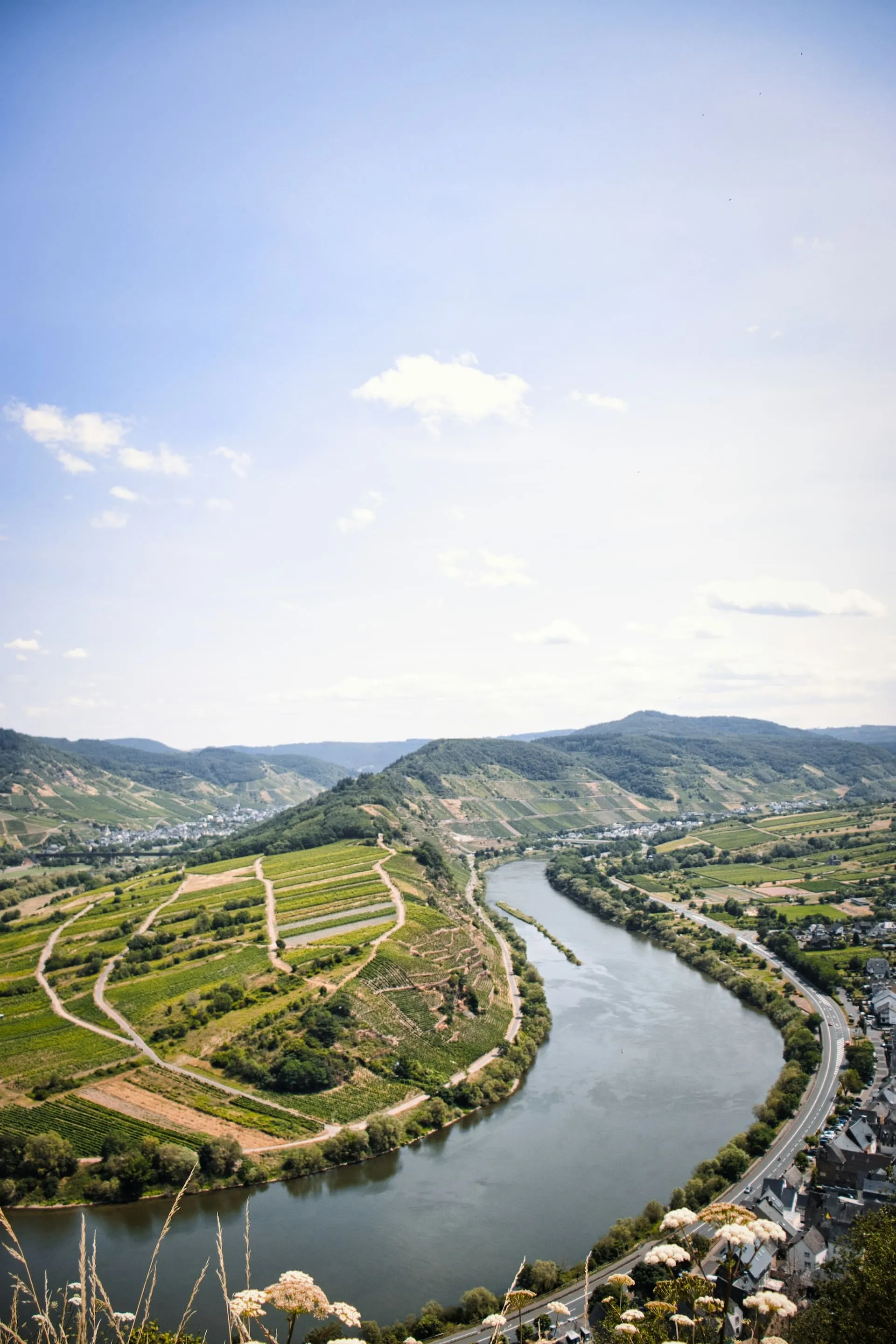
Overview
Water encompasses the availability, quality, flow, and storage of surface and groundwater within agrifood systems, including the biophysical and ecological processes that regulate hydrological cycles.
A regenerative approach treats water as a cycle to be regenerated, not a resource to be extracted or diverted. As infiltration, ground cover, and soil structure improve, landscapes regain their capacity to hold and slowly release clean water — reducing floods, buffering drought, and supporting resilient ecosystems and human health.
Soil condition and vegetation structure influence infiltration, runoff, and water quality, linking water outcomes closely to soil and biodiversity dimensions. At the same time, infrastructure (green and grey), input use, agri-industrial activity, and governance systems shape how water resources are allocated, conserved, or degraded across landscapes.
Farm level